15-16 October 2026
Speakers (2019–2025)
MVRDV
Snøhetta
LAVA
MECANOO
Anna Heringer
Anupama Kundoo
David Basulto
Thomas Auer
Hadi Teherani
Thomas Schroepfer
Roger Riewe

Architecture in Foyer is a recurring event associated with the Design Educates Awards - an international initiative launched by the LAKA Foundation. In 2025, in collaboration with the Faculty of Architecture at the Warsaw University of Technology, the event was expanded into a full-scale conference aimed at showcasing design as a tool for education and the transfer of innovation.
The event lasts two days and consists of two parts: an international conference and the Design Educates Awards Ceremony.
Day 1 - Conference - 15.10.2026
The conference program includes lectures, case studies, and discussions on the relationship between design processes and the development of education. In light of the dynamic changes taking place in contemporary universities, we aim to demonstrate how architecture uses design to build knowledge and develop new models of education. The aim of the conference is to create conditions for critical reflection on new, integrated design paradigms and their impact on the future of architectural innovation. We pay particular attention to the relationships between material, production processes, and architectural form, emphasizing the transition from linear design models to iterative methods in which design and production co-create a single coherent process. The conference focuses on the role of digital tools - such as computer modeling, simulations, and fabrication technologies - in shaping the contemporary architect’s work environment. In this context, architecture ceases to be merely a form and becomes also a system, an algorithm, and a process. The conference will feature guest lectures, presentations of submitted papers, a poster session, and an open-access conference publication.
Day 2 – DEAwards Ceremony - 16.10.2026
An integral part of the event is the Design Educates Awards - a prestigious competition promoting projects with educational value. Here, design is understood as an interdisciplinary tool that teaches decision-making in complex situations, enables the anticipation of consequences, and influences quality of life and the shaping of social attitudes. The event is accompanied by an annual exhibition and a publication documenting the award-winning projects, serving as a record of current trends in architecture and design. Architecture in Foyer is a space where science, practice, and education meet - a place for dialogue where design becomes a tool for building knowledge, exchanging experiences, and jointly shaping the future of architecture.
The conference will be held in English

The Design Educates Awards (DEAwards) is a prestigious international competition organized by the Polish LAKA Foundation, promoting projects that deliver educational value through design.
The strength of our competition lies in the fact that among the laureates one can find both newcomers and icons of world architecture - such as Norman Foster, Renzo Piano, BIG, Calatrava and Diller
-Peter Kuczia
initiator and curator of DEAwards

Design Educates Awards
Thesis:
Architecture and design are not merely tools for solving functional problems - they are also mediums of education. By embedding meaning, narrative, and awareness into built environments, designers can foster learning, reflection, and responsible action in society. The conference aims to redefine the role of design in shaping both physical space and cultural consciousness.
Goals:
1. Explore the educational potential of architecture and design. Highlight how architectural works and design solutions can communicate knowledge, values, and social messages beyond their functional roles.
2. Bridge practice and academia in design education. Foster dialogue between architects, designers, educators, and researchers to redefine design’s role in contemporary education and knowledge dissemination.
3. Promote design that educates. Showcase and critically reflect on projects that go beyond aesthetics and utility to foster awareness, responsibility, and engagement in social, environmental, or cultural issues.
4. Encourage interdisciplinary approaches. Open a platform for cross-disciplinary collaboration and integration of education, architecture, and innovation in shaping sustainable and inclusive environments.
5. Highlight award-winning examples. Present and discuss the outcomes of the DesignEducates Awards as case studies of best practices in educational design thinking.













Keynote Speakers

Prof. José Pinto Duarte
José Pinto Duarte jest kierownikiem Katedry Innowacji w Projektowaniu oraz dyrektorem Stuckeman Center for Design Computing (SCDC) na Penn State University. Jest uznanym na świecie badaczem w dziedzinie projektowania wspomaganego komputerowo, ze szczególnym dorobkiem w zakresie gramatyk kształtu i projektowania obliczeniowego. Po uzyskaniu stopnia doktora w Massachusetts Institute of Technology (MIT) powrócił do Portugalii, gdzie odegrał kluczową rolę w tworzeniu nowoczesnych programów kształcenia architektów ukierunkowanych na nowe technologie oraz współtworzył laboratorium cyfrowego prototypowania i fabrykacji. Przed dołączeniem do Penn State pełnił funkcję dziekana Wydziału Architektury Uniwersytetu Lizbońskiego. W swojej działalności naukowej konsekwentnie łączy badania akademickie z praktyką oraz rozwija międzynarodową współpracę naukową. Był prezesem europejskiego stowarzyszenia eCAADe, współtworzył program MIT-Portugal oraz założył grupę badawczą Design and Computation, realizującą interdyscyplinarne projekty we współpracy z instytucjami naukowymi i partnerami przemysłowymi. Dorobek naukowy prof. Duarte obejmuje liczne publikacje, rozdziały w monografiach, patenty, wystawy oraz rozwiązania programistyczne.
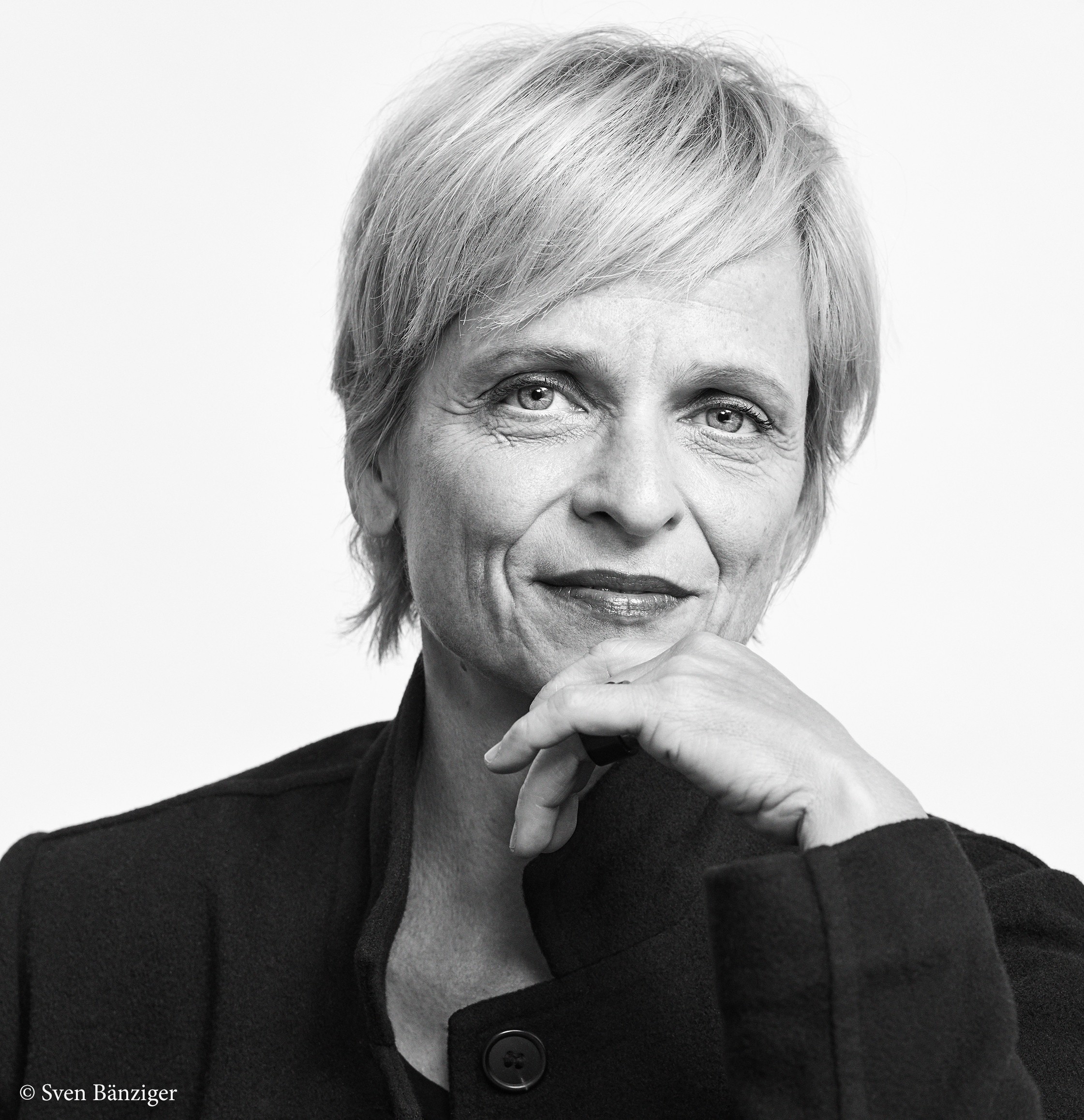
Prof. Barbara Holzer
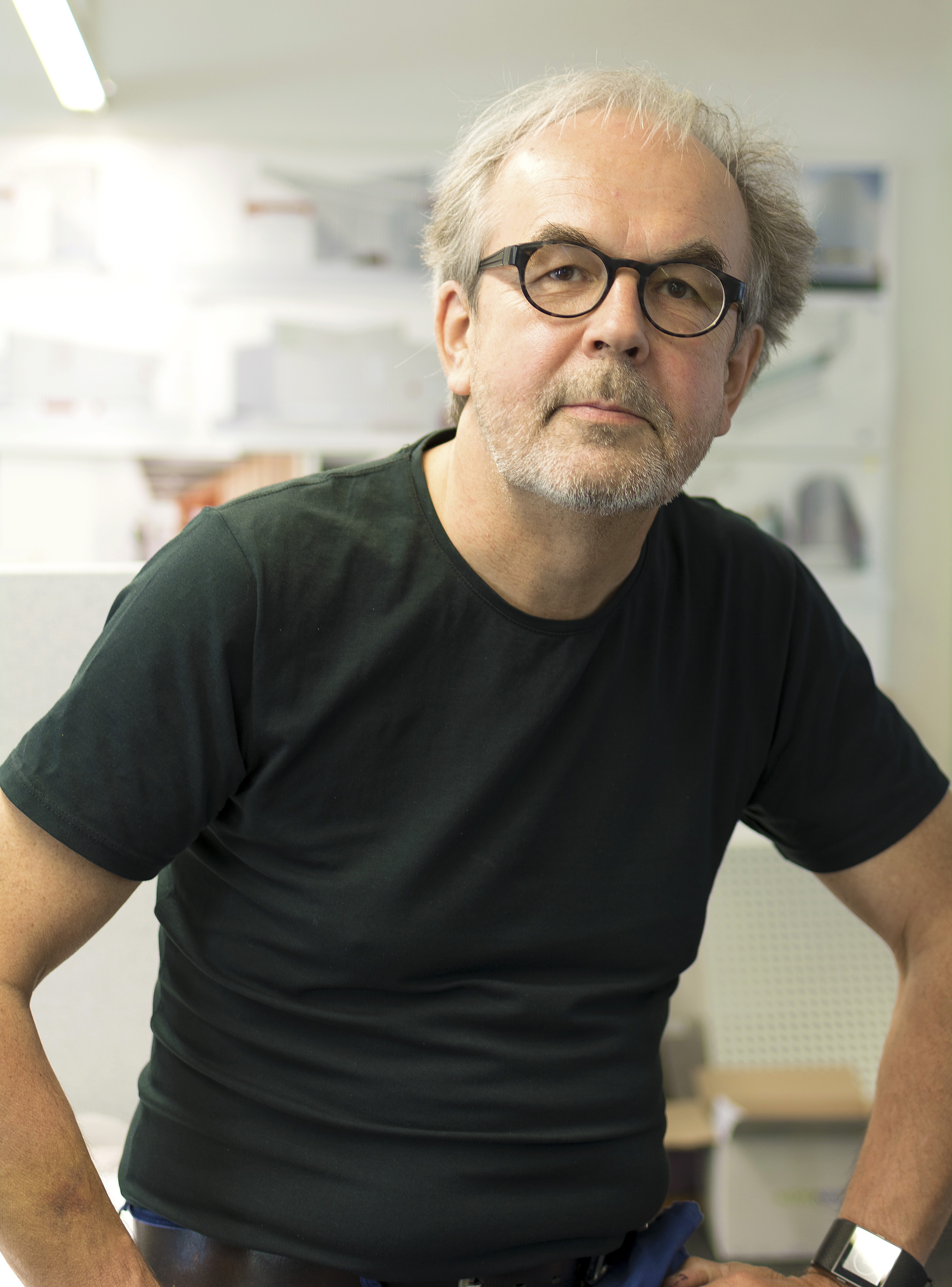
Prof. Rainer Mahlamäki
Professor Emeritus, University of Oulu (Finland), Partner & Co-Founder, Lahdelma & Mahlamäki architects, Architect SAFA.
Professor Rainer Mahlamäki’s representative designs are a product of his belief in the importance of understanding each commission’s backstory. He strives to understand the people he designs for, the landscape he is altering, and the history he is representing. Whether museums or homes, his designs are rooted in a deep understanding and speak for themselves.
His best-known works include, e.g., the Museum of the History of Polish Jews in Warsaw, Poland, and the Finnish Forest Museum Lusto in Punkaharju, Finland. He is currently working on the Żurawie mixed-use block in Gdańsk, Poland, and the Lost Shtetl Jewish Museum in Šeduva, Lithuania, to name but a few.
Aside from his projects, Rainer Mahlamäki frequently acts as a juror for high-profile international architecture competitions. His pioneering achievements have been recognized with, e.g., the prestigious Prince Eugen Medal conferred by the King of Sweden for outstanding artistic achievement.
Rainer Mahlamäki founded Lahdelma & Mahlamäki architects together with Ilmari Lahdelma in 1997. Their collaborations began well before this, with the founding of the architecture collective 8 Studio in 1986, and architecture office Kaira- Lahdelma-Mahlamäki in 1992.
Rainer Mahlamäki has been ever-present within Finland’s education and architecture institutions. He is Professor Emeritus of Contemporary Architecture at the University of Oulu, chaired the Board of the Museum of Finnish Architecture from 2002 to 2006 and was President of Finnish Association of Architects from 2007 to 2011.

Inspiring Yearbook
Each year, a beautifully printed Design Educates Awards Yearbook is published, showcasing the winning projects along with insightful commentary from a panel of esteemed jurors. The publication also features handwritten reflections from internationally renowned architects and thought-provoking articles exploring themes aligned with the competition's core idea: Design Educates.The richly illustrated layout is designed by Bartek Witkowski, an award-winning graphic designer, whose work gives the yearbook its distinctive and elegant character.All current laureates receive a complimentary copy of the yearbook. Additionally, attendees of the Design Educates Conference have the opportunity to receive a free copy after the awards ceremony – while supplies last.

Showcasing innovations
from around the world
Exhibition, recognizing outstanding architecture and design projects with educational and social impact, will be presented this year during the AiF Warsaw event in Warsaw, Poland. The awards gather participants from around 30 countries across 5 continents, highlighting the global reach and diversity of the competition. This prestigious international exhibition showcases projects that combine excellent design with educational value, storytelling, and the ability to influence behavior and perception. The event connects a worldwide creative community focused on meaningful design that educates and inspires.